



Can you describe your coaching journey and the experiences that led you into coaching?
I began coaching because I was essentially “voluntold”. I had just graduated from high school and was in my first year of pre‑med at Université de Moncton (U de M), when my mother registered my younger brothers for the Moncton Kiwanis Minor Basketball Association (MKMBA). She returned and informed me that they needed volunteers, and she had given them my name. At the time, I felt overwhelmed and unsure how I could fit anything else into my schedule. However, stepping back into the gym after my playing career reminded me how much I missed the sport, and it quickly became clear that coaching was exactly where I needed to be.
As I continued with MKMBA, opportunities grew naturally. My brothers moved into competitive teams, which led to a call from my former head coach inviting me to return to my old high school in a coaching role. That experience expanded into an assistant coaching position at U de M, and eventually into a season as head coach before the university changed its financial model and cut out the program. When the program ended, I stepped away from coaching for a few years, which coincided with becoming a father.
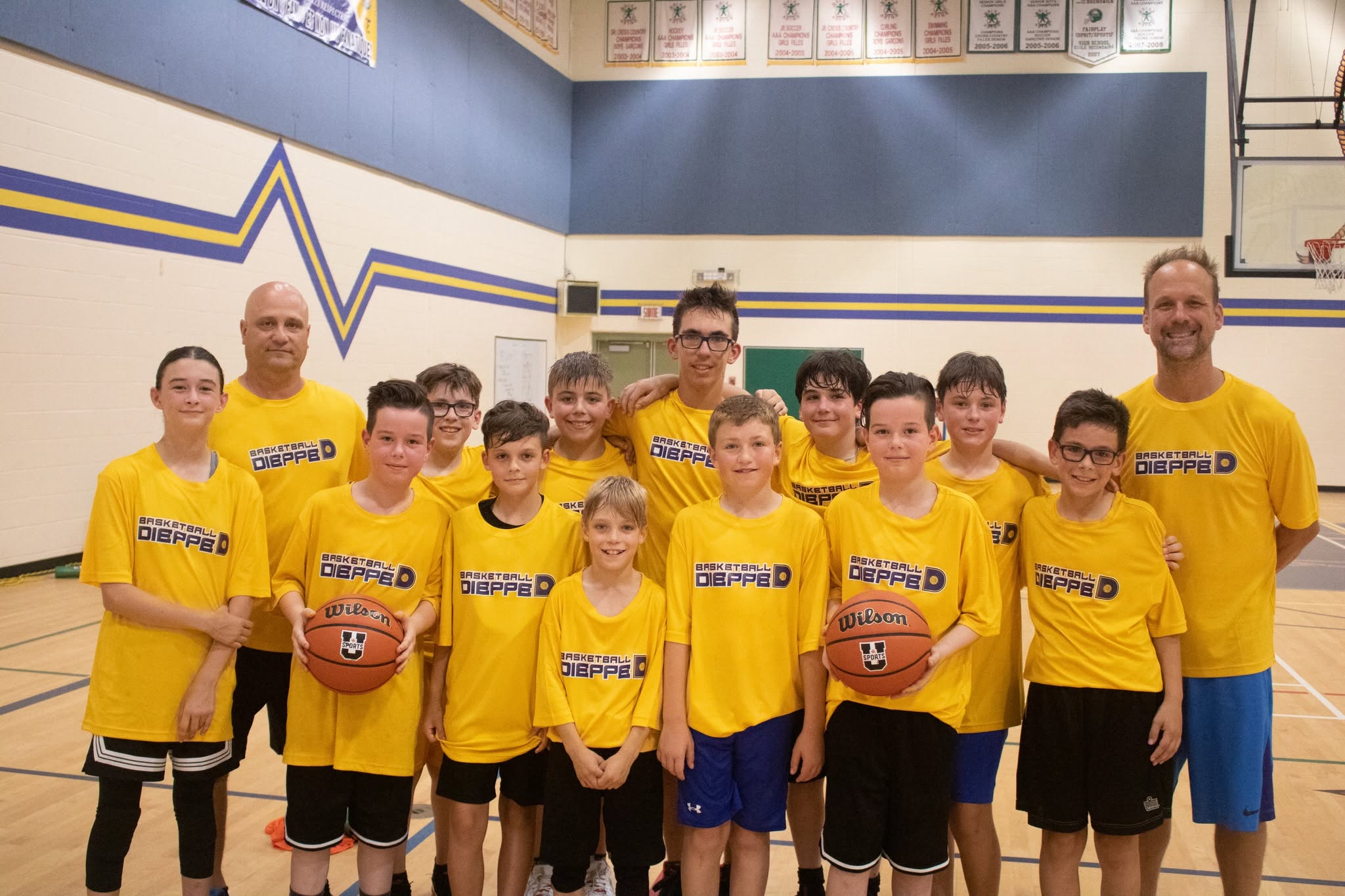
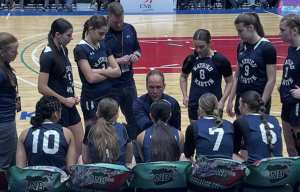
My return to coaching happened when my daughters decided, entirely on their own, that they wanted to try basketball. The agreement was that I would coach, which brought me from university men’s basketball to U8 girls in a recreational league. That experience reconnected me to coaching in a way I had deeply missed. As my daughters continued to move through age groups and competitive levels, I followed, rediscovering the joy, purpose, and community that coaching has always given me.
How many years of experience do you have in your sport?
I am now entering my thirtieth year of coaching. When I add my playing experience to that timeline, including a couple of years of university basketball while still managing to coach varsity basketball, my total involvement in the sport reaches roughly thirty‑seven years.
What significance does the mentorship program, and mentoring in general, have for you?
When I began coaching high school basketball in Moncton, the environment was what many would have called an old boys club. As a coach in my early twenties, I was stepping into a space dominated by older men, and it was not particularly welcoming to a young coach, let alone a francophone coach in a sport that remains predominantly Anglophone. Opportunities to seek guidance were limited. There were no online resources, no YouTube, and no easy way to connect with other coaches. If you wanted to grow, you had to build your network from the ground up, get into gyms, attend clinics, and find ways to learn through experience. Support systems simply did not exist in the way they do now.
Over the last decade, reality has shifted dramatically. Collaboration has become a cornerstone of coaching, and it is now commonplace to jump on a call, invite someone into your gym, or share ideas openly. In my view, failing to collaborate is a missed opportunity. Mentorship has become essential for any coach who cares about both their own development and the growth of their athletes. The two are inseparable. If I expect my athletes to grow as players and as people, I feel accountable for growing myself. Working with coaches who share the same values and concerns strengthens that process and creates a healthier, more supportive coaching community.
What is your vision for Basketball and sport in New Brunswick?
When I look at where we are as a province, across all sports, I think it is important to take stock of how we compare to neighboring provinces. Whether it is national results, Canada Games performance, or simply the number of participants in a sport like basketball, the picture is inconsistent. I have taken teams to Nationals where we believed we were strong, but the reality became clear very quickly: there is a difference between being New Brunswick good and being Canada good. I do not like that those two standards sit so far apart, and that gap has become a driving force for me. I want to grow as a coach, help my athletes grow, and contribute to a culture where coaches invest in their own development because they care deeply about the athletes and programs they serve.
That concern becomes even more pressing when I look at national representation. Our U18 national team recently competed in Mexico, and athletes from Nova Scotia and Prince Edward Island, players my daughters grew up competing against, were on that roster. Yet there was no New Brunswick athlete. It is not because our athletes are not good enough. It is because something is missing in what we are able to provide. The infrastructure, the coaching resources, and the opportunities are not evenly distributed across the province. Basketball New Brunswick has acknowledged this divide: an invisible equator that separates the middle of the province from the north and the south. Everything tends to be centered in the south, and while the north has talent and potential, it does not always have equal access to facilities, coaching, or development pathways.
If we want consistent representation at the national level, we need consistent opportunity. We need to ensure that athletes, regardless of where they live, have access to the same quality of coaching, the same competitive environment, and the same chances to grow. That responsibility falls on all of us to build a system where New Brunswick athletes can shine not only here, but across Canada.
Can you describe your coaching style or philosophy?
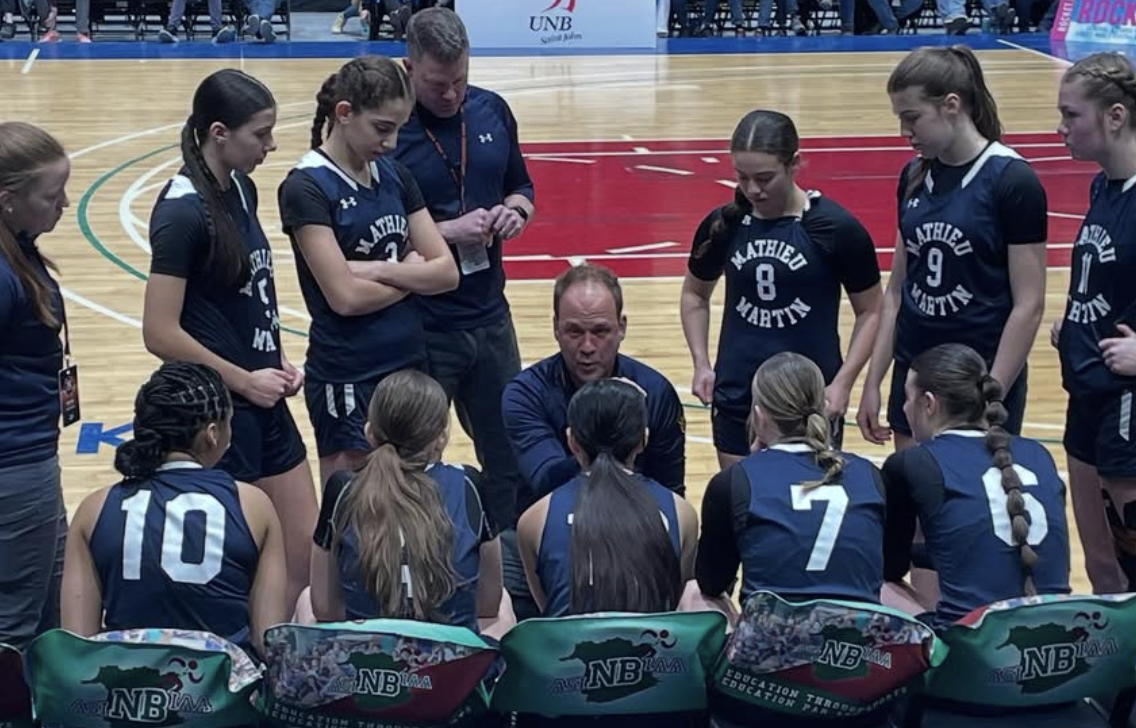
Passion shows up in many forms, and my French background means you will see a show on the court and a show on the sidelines. I am engaged, I communicate, and I have been blessed or cursed with a very loud voice. People sometimes mistake that for anger, but it is simply a deep passion for what I do and for the privilege of being able to do it. After all these years, I am still driven by a desire to compete, to improve, and to honor the spaces I coach in with the energy they deserve.
My coaching philosophy is rooted in the belief that the destination is a marathon, not a sprint. People often want to reach their goals by cutting corners, but if you want longevity and true success in sport, whether as an athlete or a coach, there are no shortcuts. Every step matters and deserves the same attention as the one before. Play the long game, stay passionate about your work, and success, whatever your definition of success may be, will follow.
Based on your experience, what guidance would you offer to a younger coach entering the coaching world, or your younger self?
If I look back, my younger self needed to move past its own ego and embrace the opportunity to learn. Today, coaching resources in the province are far more visible and accessible, but that was not the case early in my career. I needed encouragement to be brave enough to reach out to experienced, tenured coaches and to let go of the stigma that they would not want to spend time with someone new or less experienced. I would have benefited from understanding that growth requires finding the right people, diversifying where you learn, and not relying on a single source of knowledge or support.
I also wish I had understood earlier how valuable it is to learn from coaches outside my own sport. While speaking with basketball coaches is important, there is tremendous richness in connecting with coaches from swimming, cross‑country, and other disciplines. Every sport is built on movement, and each one offers something unique. A holistic understanding of coaching and athlete development comes from exploring all those perspectives. My older self has fallen in love with spending time around people who are passionate about what they do, and NCCP courses have reinforced how enriching it is to learn from coaches who are committed to growing, regardless of their sport.
The more I understand different athletic environments, the more I can draw from them to strengthen my own coaching. That breadth of knowledge allows me to choose what best serves my athletes and my space. If I had embraced that earlier, I think it would have accelerated my development and broadened my perspective much sooner.