


Can you describe your coaching journey and the experiences that led you into coaching?
I started coaching ice hockey because it was the sport I grew up playing. I did a lot of goalie coaching early on, helping Dan LaCosta with camps and supporting local youth and high school teams. When I was playing in the States, I kept coaching through camps and local clubs.
Once I started playing field hockey, I fell in love with it and immediately wanted to coach. Coaching became just as fun for me as playing. When you play abroad, you are often asked to give back to the club through coaching, so I ran goalie camps and helped youth teams overseas as well.
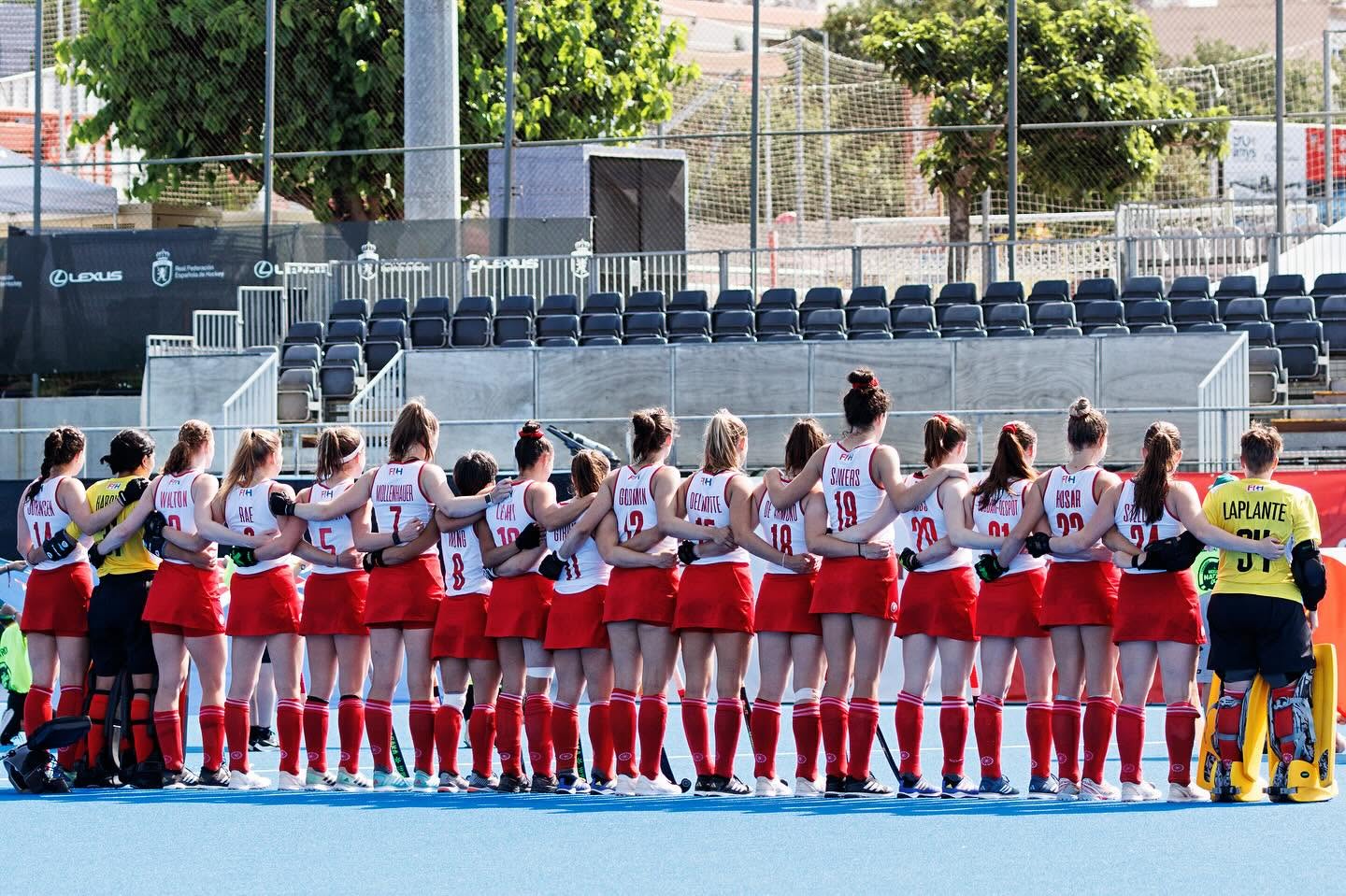
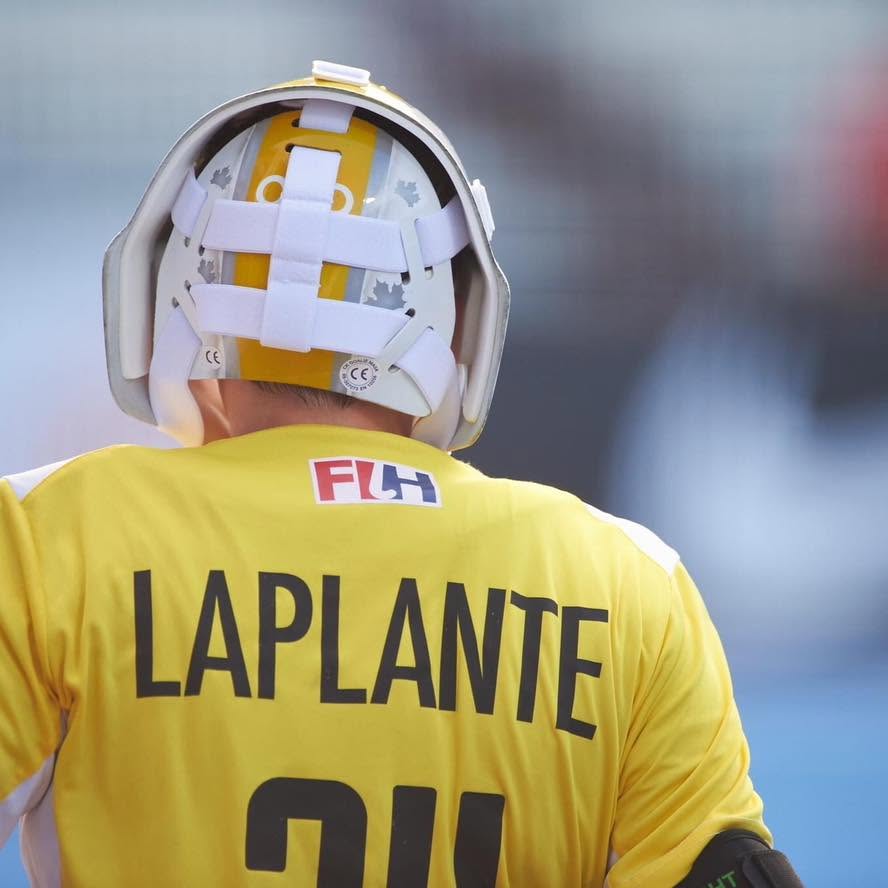
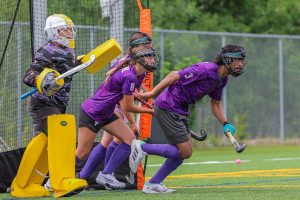
Things really accelerated when I moved to Vancouver and joined the national team. Canada does not have many goalie coaches, so I was asked to work with multiple clubs and run individual sessions. That is when I realized how much impact I could have as a coach.
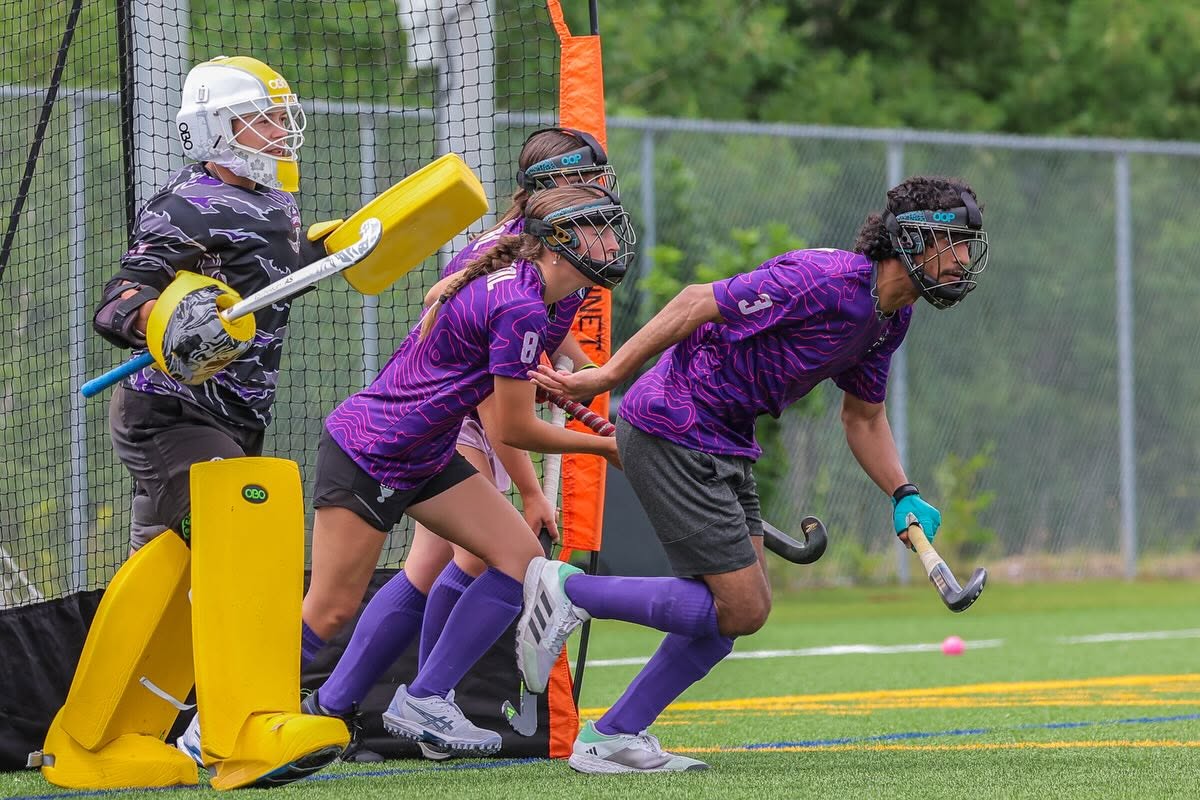
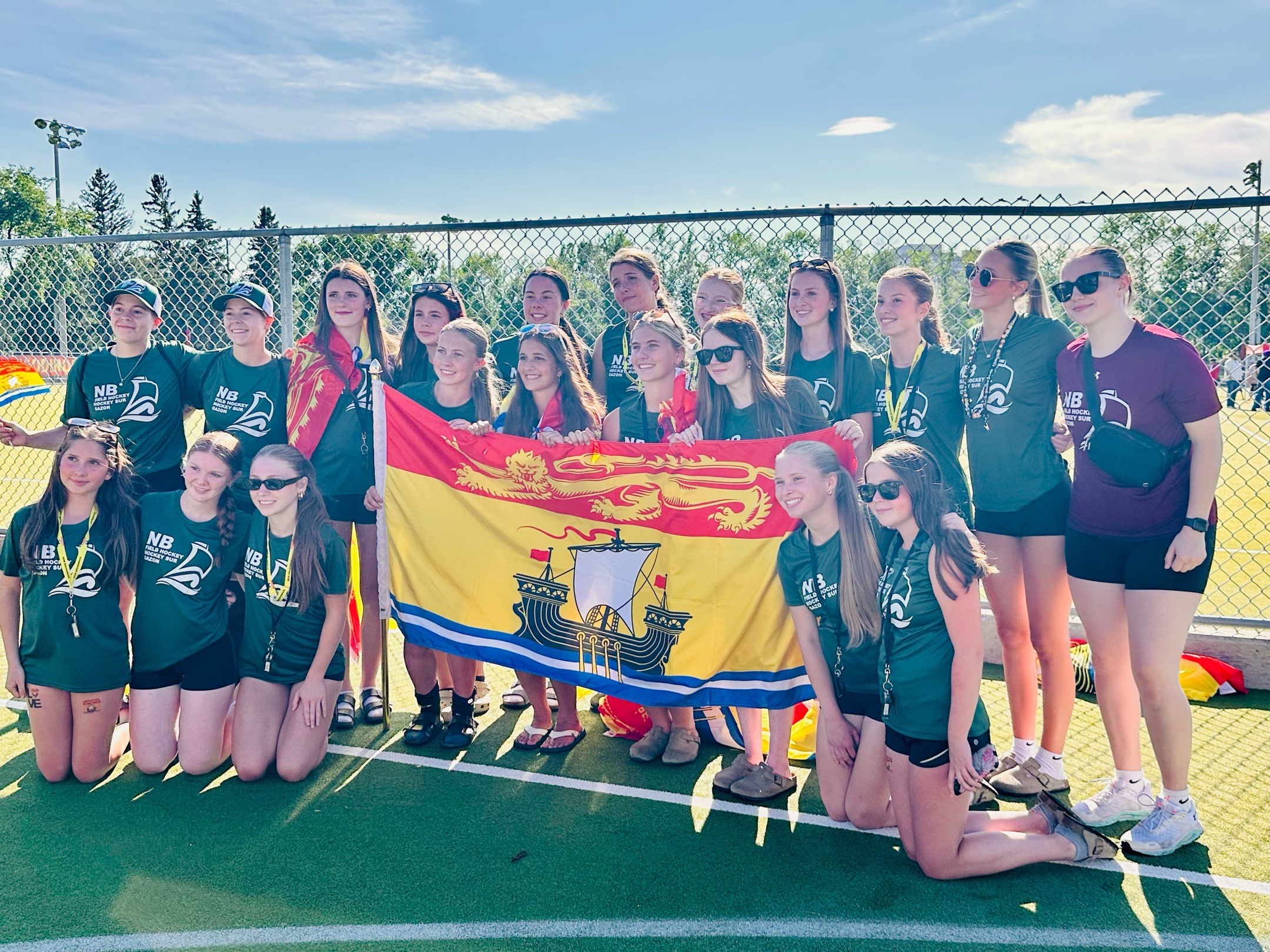
Coming back to New Brunswick was something I was genuinely excited about. Since returning a little over two years ago, I have been heavily involved in field hockey here, joining the board, becoming president, and focusing on athlete, coach, and umpire development. My work has centered on building programming, supporting the next generation, and strengthening coaching capacity across the province.
How many years of experience do you have in your sport?
I have approximately 15 years of coaching experience, or nearly 16 years when including my coaching involvement in ice hockey. I currently compete as a member of Canada’s national team and began participating in the sport at age 14. My coaching journey actually began even earlier through ice hockey, where I played as a goaltender at a high level. My hockey career included competing at the Canada Games and playing NCAA Division I hockey in the United States, experiences that helped shape my development as both an athlete and a coach.
What significance does the mentorship program, and mentoring in general, have for you?
When I first heard about the program, I was really excited because this is the kind of work I already do, it just gives it a more formal structure. It also motivates me to be a bit more organized with the mentorship I provide. As someone who oversees coach development in our province, I was already doing a lot of this, but seeing it prioritized and supported with funding is meaningful. It shows that what we do has value and that mentorship is considered important.
What I really enjoy is getting the chance to talk with younger or less experienced coaches, and even coaches who have just as much experience as I do but want to share ideas. Mentorship can look like so many different things, and that is what I love about it. It is not about telling people what to do, it is a back‑and‑forth conversation. I learn from the coaches I mentor, and hopefully they learn from me.
That exchange of information is what makes mentorship so powerful. We all come from different backgrounds, with different strengths, weaknesses, and experiences, and bringing all of that into the same environment is incredibly valuable.
What is your vision for Field Hockey and sport in New Brunswick?
I would really like to see a sport environment where coaches are less burnt out. In our sport, we have so few coaches with the certifications needed to work at higher levels that the same small group ends up taking on everything. It is not that others do not want to help; they just are not eligible. I would love to see a more collaborative coaching model where we can rely on more people, pull in different perspectives, and let coaches contribute to the areas they are strongest. That way, the people who step into provincial roles do it because they genuinely want to, not because they feel obligated.
In ice hockey, I would also like to see more female coaches and more role models for girls. The sport struggles with volunteer coaches at the youth level, and a lot of that comes down to time, resources, and the effort required to complete coaching courses. When parents volunteer at the last‑minute, it’s hard to get them up to speed. Part of the solution is helping coaches see the value in those courses and in continuing their development. When people understand what coaching education offers, and when the environment supports ongoing learning, we can build a stronger, more sustainable coaching community.
Can you describe your coaching style or philosophy?
For me, sports should always be enjoyable, regardless of the level. It can be serious, demanding, and challenging, and it will not be fun every single day, but overall, athletes should enjoy what they are doing. If young athletes are not having fun, they will not stay in the sport. Even at the level I play, I enjoy training camps, tournaments, and daily work. If it is not enjoyable, it is not worth it, and that is a principle I live by.
I believe we can challenge athletes in ways that are healthy and sustainable while still ensuring they enjoy the game. I am also very committed to developing people, not just players. I love seeing an athlete outgrow the environment I am in, especially because I know the limitations we face in New Brunswick. If I can help an athlete move on to a place that will make them better, that is a success story. That is not losing a player; that is supporting someone in reaching the next level they need.
Another priority for me is developing athletes who will give back to the community. When I coach goalies, I often teach them how to coach in the same ways I do, so that when they are older, they can mentor younger goalies and help them grow. To me, it is about giving in a way that inspires others to give as well.
Based on your experience, what guidance would you offer to a younger coach entering the coaching world, or your younger self?
If I could go back, I would have started my coaching courses earlier so I could spread them out. Once you decide you want to coach at a competitive level, you suddenly need all of your certifications, and it becomes overwhelming. Chipping away at the courses gradually makes the process lighter, and the information stays with you more effectively than trying to complete everything in a single year. Even if you are unsure whether you will coach at a high level, the courses provide value at any stage.
I would also say that you should not dismiss a level or age group until you try it. I always thought I would prefer coaching younger kids because they are impressionable and eager to learn. However, I have discovered that I really enjoy coaching teenagers. They are at a stage where they have chosen to be there, not because a parent dropped them off, but because they genuinely love the sport. Trying different age groups is important, because you never know what you will enjoy until you experience it.