



Can you describe your coaching journey and the experiences that led you into coaching?
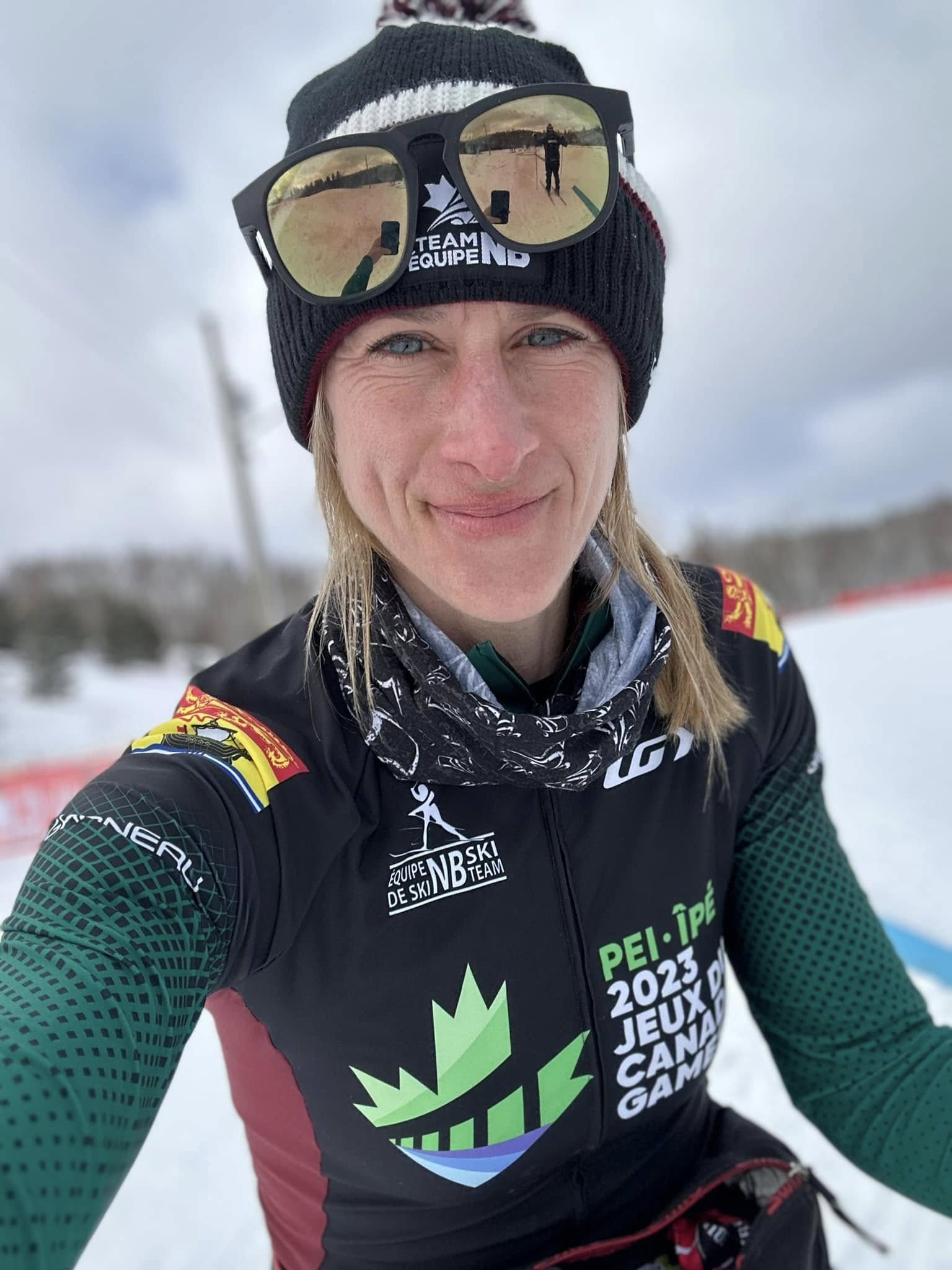
I became a coach because I did not have a coach myself when I was competing. I saw the mistakes I made in training, motivation, and preparation, and I did not want young athletes to experience the same thing. I wanted any child who wished to compete or pursue higher achievement to have access to a coach who could support them. That is what first drew me into coaching.
I started by helping in my local club with the Bunnyrabbit and Jackrabbit cross‑country skiing programs. A few of the children wanted to compete, and I wanted to make sure they had someone to guide them. At the same time, I was pregnant with my first daughter, and that experience reinforced how important it felt to support young athletes. I loved coaching from the beginning, and I have stayed involved ever since.
How many years of experience do you have in your sport?
I have been coaching for more than twenty years now. I started one year before my daughter was born, so it has been about twenty‑four years in total. I began competing when I was ten, which gave me roughly ten years as an athlete before taking a break and moving fully into coaching. For most of that time, I coached with Le Sureau Blanc in Tracadie, and it is only in recent years that I have become involved with other clubs because there are not many competition‑level coaches available. The demand is high, and the number of coaches who have the time or certification is low, so I stepped in where I was needed.
What significance does the mentorship program, and mentoring in general, have for you?
I was part of the Women in Coaching Apprenticeship Program in 2011, and I absolutely loved the experience. It gave me a great deal of confidence as a woman in a field that is still very male‑dominated. Being surrounded by women who were doing incredible things made a significant impact on me. It showed me that I belonged in coaching and that I could take my place in that environment.
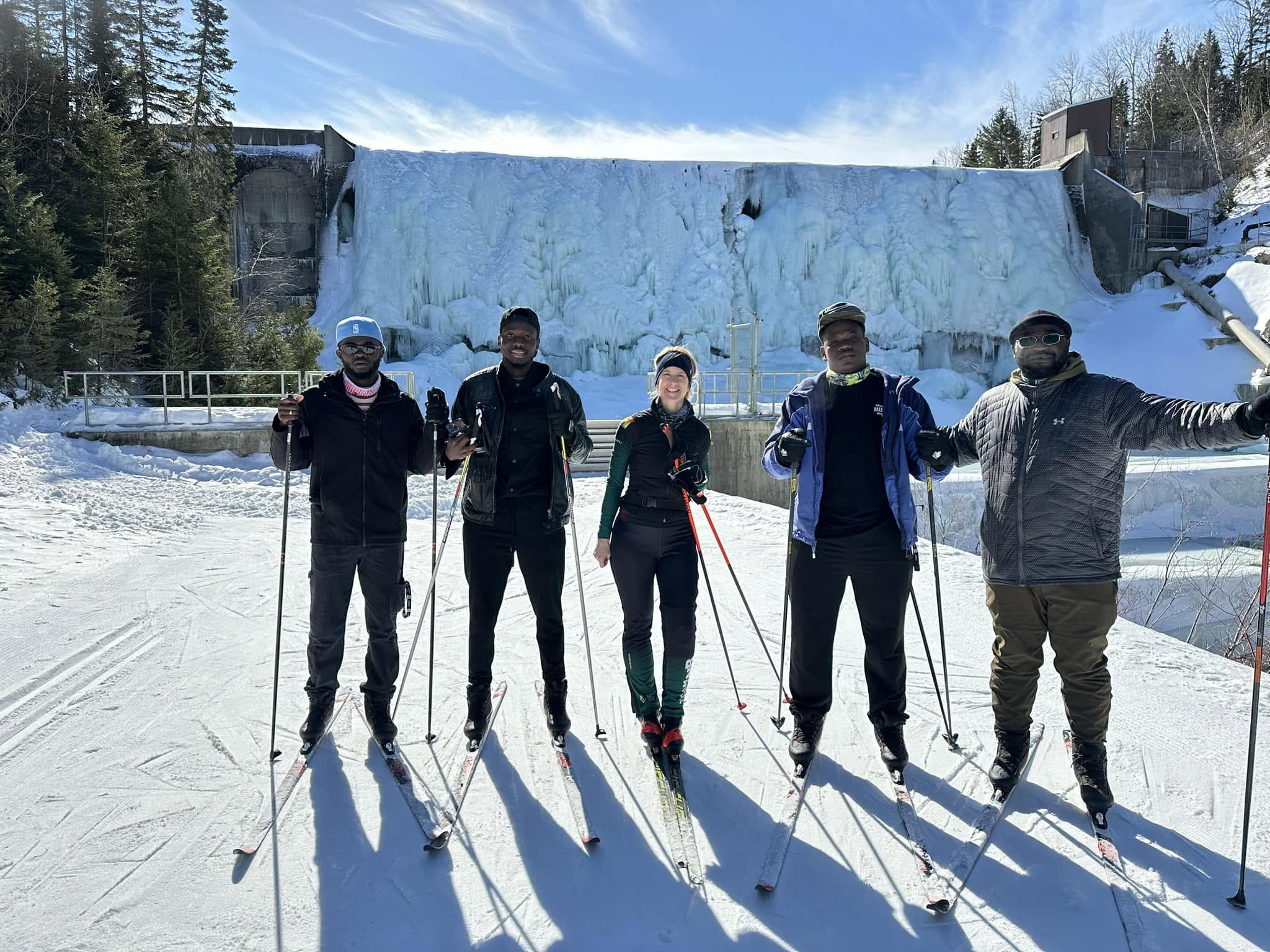
When Amy, who is the coach I mentor most closely, asked me to be her mentor, I immediately encouraged her to join the program. I told her she had to do it because I knew she would love it and gain confidence from it. She is very enthusiastic and motivated about coaching, and I hope this experience helps her become another woman who can step forward and do amazing things. In the apprenticeship program, I was the mentee at the time, and now I have the opportunity to support someone else through the same journey.
What is your vision for Cross Country Skiing and sport in New Brunswick?
In the short term, I hope that my involvement in coaching encourages more people to enjoy staying active, eating well, and exploring the outdoors. I want people to discover how enjoyable it is to move, to try different sports, and to experience the beautiful places we have in New Brunswick. Many individuals miss out on that, and I hope that through coaching I can help more people see the value and joy in being active. For cross‑country skiing specifically, I hope to see more people on skis and more young athletes entering programs. We have incredible kids who train hard and make real sacrifices, and I would love to see a full competition circuit develop here, with athletes from Quebec, Ontario, and the Maritime provinces coming to New Brunswick. My hope is that we can become a hub for higher‑performance skiing.
We already have a step in that direction. In 2028, we will host the Easterns, which is significant because our province has not hosted an event from our national organization since 2002. Securing that event is a major achievement, and I hope it becomes a regular occurrence. It would be wonderful to see New Brunswick consistently recognized as a strong and reliable location for major competitions.
Can you describe your coaching style or philosophy?
My coaching style is centered on respecting the athlete and personalizing their experience. I try to understand what each athlete wants, what goals they hope to achieve, and how they define success. I encourage them not to compare themselves to anyone else, but to focus on improving at their own pace and enjoying their own progress. If an athlete tells me what they want, I respect that fully and build around it.
I also believe in gently pushing athletes outside their comfort zone so they can see what they are capable of. Respecting the athlete, respecting their goals, and helping them discover their potential is at the core of how I coach.
Based on your experience, what guidance would you offer to a younger coach entering the coaching world, or your younger self?
My advice would be not to take coaching too seriously. For me, a priority is to have fun and to make sure the athletes have fun as well. We are in New Brunswick, and the infrastructure for high‑performance sport is limited, so it is important not to burn yourself out. Enjoy the moment, appreciate the experience, and focus on the small things that make the journey meaningful.
When you travel, make time to explore. If it means sacrificing a training session so the team can visit something memorable, then sacrifice the training. The experience matters. My advice would be to enjoy it more, stay present, and make sure the athletes leave with great memories, not just hard practices.