


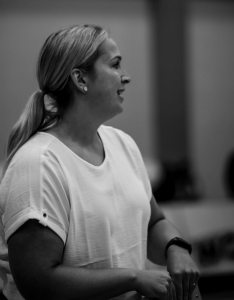
Can you describe your coaching journey and the experiences that led you into coaching?
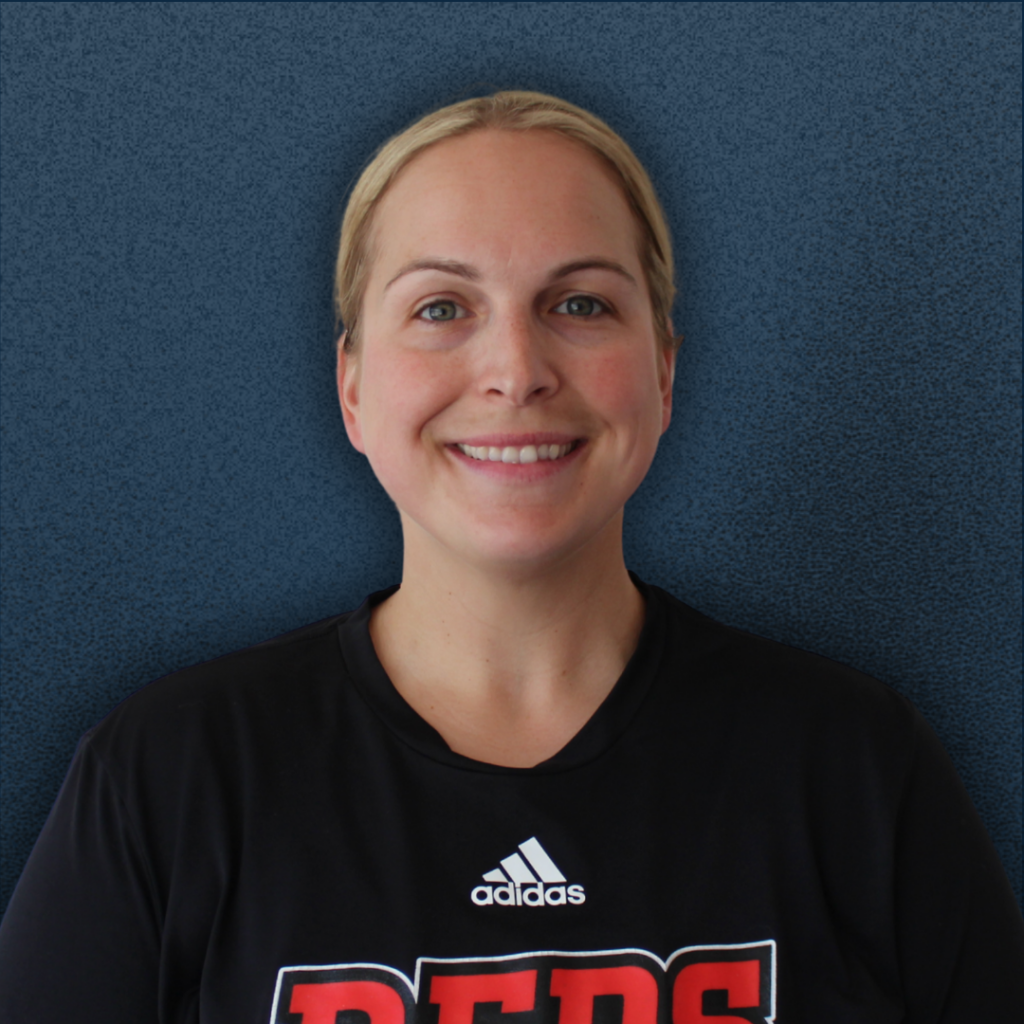
I began playing volleyball in middle school at age twelve and continued through club, middle school, and high school competition, eventually playing one year at St. Thomas University. After a knee injury ended my playing career, I shifted into coaching, and the role evolved quickly. I was invited to work with Team New Brunswick one summer, and that experience made me realize that coaching was the direction I wanted to pursue professionally. I have continued on that path ever since.
How many years of experience do you have in your sport?
I started playing volleyball when I was twelve, and later began coaching at eighteen, which gives me roughly fifteen years of coaching experience.
What significance does the mentorship program, and mentoring in general, have for you?
I think it is incredibly important to have mentors. For me, having people I could go to, look up to, and learn from was a major part of my own journey. Sometimes I learned things I wanted to carry forward in my coaching, and other times I learned what I did not want to do – both were valuable.
At the heart of it, I believe coaches need someone they can talk to about what is happening in their sport and in their coaching life. Having those outlets matters. I am also very passionate about women in sport, so if I can support young or newer coaches coming in, especially women, that is something I care deeply about. If I can offer any guidance or encouragement, I think that is meaningful and important.
What is your vision for Volleyball and sport in New Brunswick?
I really believe we need more women coaching, and more women who feel supported in balancing coaching with family life, whatever a family looks like for them. It is often harder for women to stay involved in sport once they have children or additional responsibilities, and that is a barrier we need to keep breaking down. I think we are making progress, every day you can see small shifts, more women stepping into coaching roles, and more conversations about how to support them. It is exciting to watch that change happen in real time.
I also want to see more young people involved in coaching. I love watching high school or university athletes work with younger kids; it feels like seeing the future of our sport right in front of you. When young people get those early opportunities, it builds confidence, leadership, and a sense of belonging that carries forward for years.
For coaches who are parents, especially those who do not have built‑in support systems, I think it is important for organizations like Sport New Brunswick or Volleyball New Brunswick to offer their support for coaches. Coaching can be incredibly busy, and without support, it can be hard to stay involved. If we want people to continue doing something they are passionate about, then we need to make sure they have the resources, flexibility, and encouragement to make it possible. That kind of encouragement is what keeps coaches in the game and strengthens the entire community.
Can you describe your coaching style or philosophy?
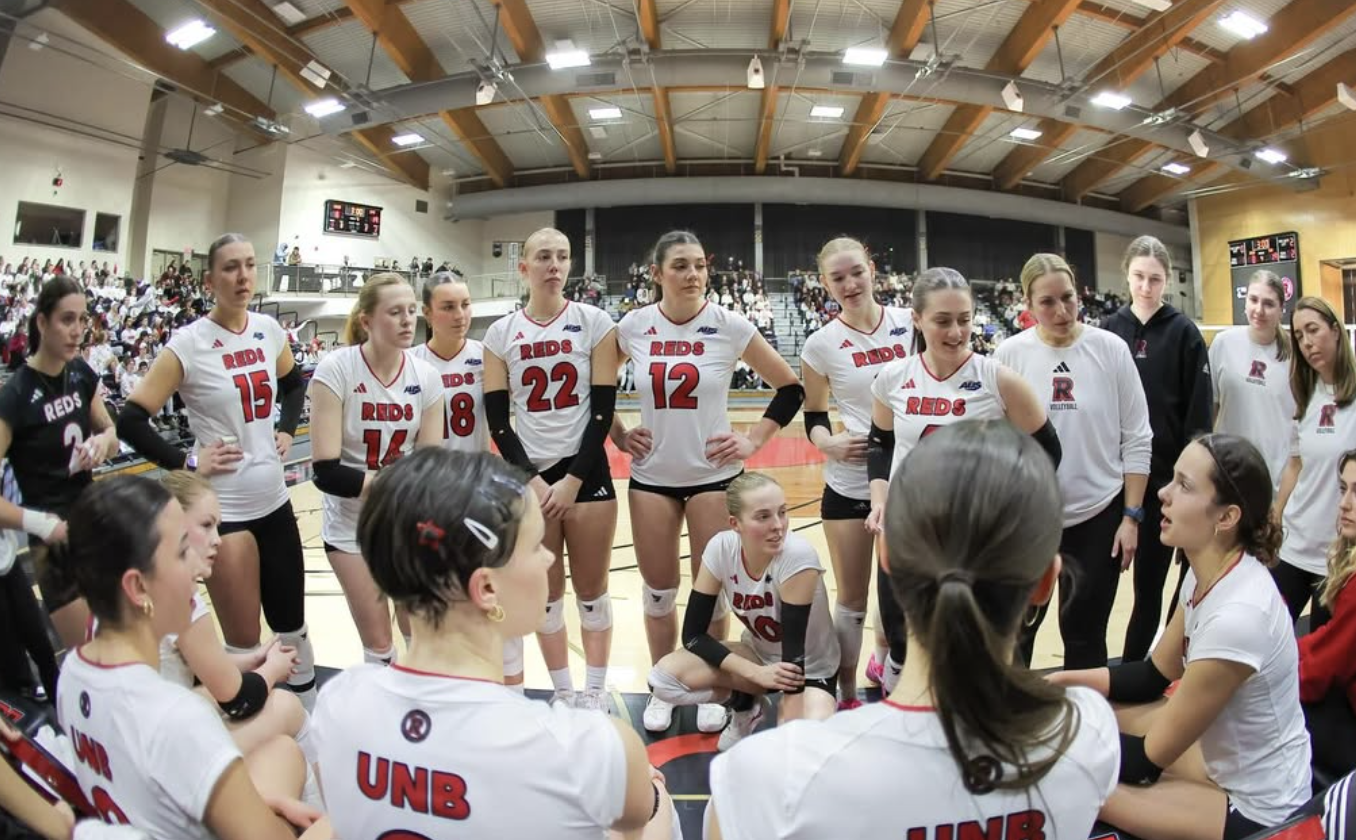
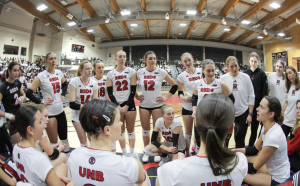
I think the biggest thing for me when I am coaching is making sure I am developing the whole person. As much as it is about sport, it is never just about sport. In my role as head coach at UNB, we have athletes who are here for one year, four years, five years, or even longer, and during that time they grow in every pillar of their lives. I feel responsible for supporting that growth.
I want them to leave here as better volleyball players, but also as better people. That is something I take seriously. My job is not only to help them perform on the court, but to help them navigate school, relationships, confidence, leadership, and everything else that comes with being a student‑athlete. When they graduate, I hope they feel like their time here shapes them in meaningful ways, and I am proud to play a part in that.
Based on your experience, what guidance would you offer to a younger coach entering the coaching world, or your younger self?
I would say the biggest piece of advice is to keep believing in yourself and to use the resources around you. Reach out to people, ask for support, and lean on the networks that exist — you do not have to figure everything out alone. The other part, for me, is staying humble. You do not know everything, and you are never going to know everything. Coaching is continuously learning; it changes every single day, and you must be open to that. Being willing to learn, to ask questions, and to try new things is what helps you grow. So, stay open‑minded, stay curious, and keep putting yourself in positions where you can learn.